Dr. Fatema Malik
October 18, 2025
7 min read
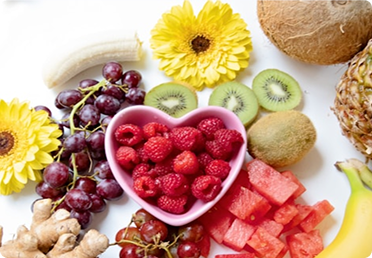
Our hormones are like messengers that keep everything in our body running smoothly — from our mood and sleep to metabolism, energy, and even skin health.
But when hormones fall out of balance, we might experience symptoms like fatigue, mood swings, weight changes, irregular periods, or acne.
The good news? Food plays a major role in supporting hormonal harmony. The right nutrients can help your body naturally regulate hormone production, reduce inflammation, and keep everything working in sync.
Let’s explore the best foods for hormonal balance and how to make them part of your everyday meals.
Hormones are made from fat, so consuming the right types of healthy fats helps your body produce and balance them naturally.
Tip: Add chia or flaxseeds to your morning smoothie, drizzle olive oil over salads, and enjoy grilled salmon twice a week.
Cruciferous vegetables help your liver process and eliminate excess estrogen — keeping this important hormone in check.
These veggies contain a compound called indole-3-carbinol, which supports healthy estrogen metabolism.
Tip: Lightly steam or roast them to keep nutrients intact and make them easier to digest.
Fiber helps move waste and excess hormones out of the body. A fiber-rich diet supports stable blood sugar and reduces spikes in insulin — one of the most influential hormones in your body.
Tip: Aim for at least 25–30 grams of fiber daily. Combine fiber with protein and healthy fat for steady energy.
Protein provides amino acids that help build and repair tissues — and many hormones are made from proteins. Getting enough protein also helps regulate hunger hormones like ghrelin and leptin.
Tip: Include a source of protein with every meal to maintain blood sugar balance and support hormone health.
Chronic inflammation can interfere with hormone signaling. Colorful fruits are packed with antioxidants that help protect hormone-producing glands from damage.
Tip: Enjoy a variety of colors — each fruit offers unique antioxidants that protect and rejuvenate your cells.
Seeds are rich in nutrients like zinc, selenium, and vitamin E, which support thyroid and reproductive hormones.
Tip: Try seed cycling — eating specific seeds at different phases of your menstrual cycle to promote natural balance.
Your gut plays a major role in hormone balance, especially estrogen metabolism. A healthy gut microbiome helps your body detoxify hormones properly.
Tip: Add a serving of fermented foods daily — or take a quality probiotic if you prefer supplements.
Certain herbs and spices have powerful hormone-balancing effects thanks to their anti-inflammatory and adaptogenic properties.
Tip: Sprinkle cinnamon on oatmeal, sip turmeric lattes, or add a scoop of maca to your morning smoothie.
Dehydration stresses your adrenal glands and can worsen fatigue and hormonal imbalance. Water also supports detoxification and nutrient transport.
Tip: Drink at least 2–2.5 liters of water daily. Add lemon, cucumber, or mint for extra refreshment.
While focusing on nutrient-rich foods, it’s also important to limit those that can disrupt hormones:
Hormonal balance isn’t just about supplements or medications — it starts with what’s on your plate every day.
By eating a variety of whole, nutrient-dense foods, you can support your body’s natural hormone production, reduce inflammation, and feel more energized and stable.
Remember: small, consistent choices — like swapping processed snacks for nuts, or sugary drinks for herbal tea — can make a big difference over time.
Feed your body well, and your hormones will thank you.
Healthy fats, fiber, protein, and colorful plants are your best allies for lasting balance and well-being.
Would you like me to tailor this blog for a specific brand or audience (e.g., “women in their 30s,” “PCOS awareness,” or “natural wellness clinic”)?
I can easily adapt the tone and structure for your website or campaign.
Related Blog
Because reliable information helps you guide your teen — and yourself — with confidence.